
Red light therapy has exploded in popularity—showing up everywhere from dermatology clinics to home skincare routines and even athletic recovery programs. But what exactly is it? Does it really work? And how should a beginner approach it safely and effectively?
This comprehensive guide covers everything you need to know about red light therapy, from the science and benefits to risks, device types, and how to start using it the right way.
What Is Red Light Therapy?
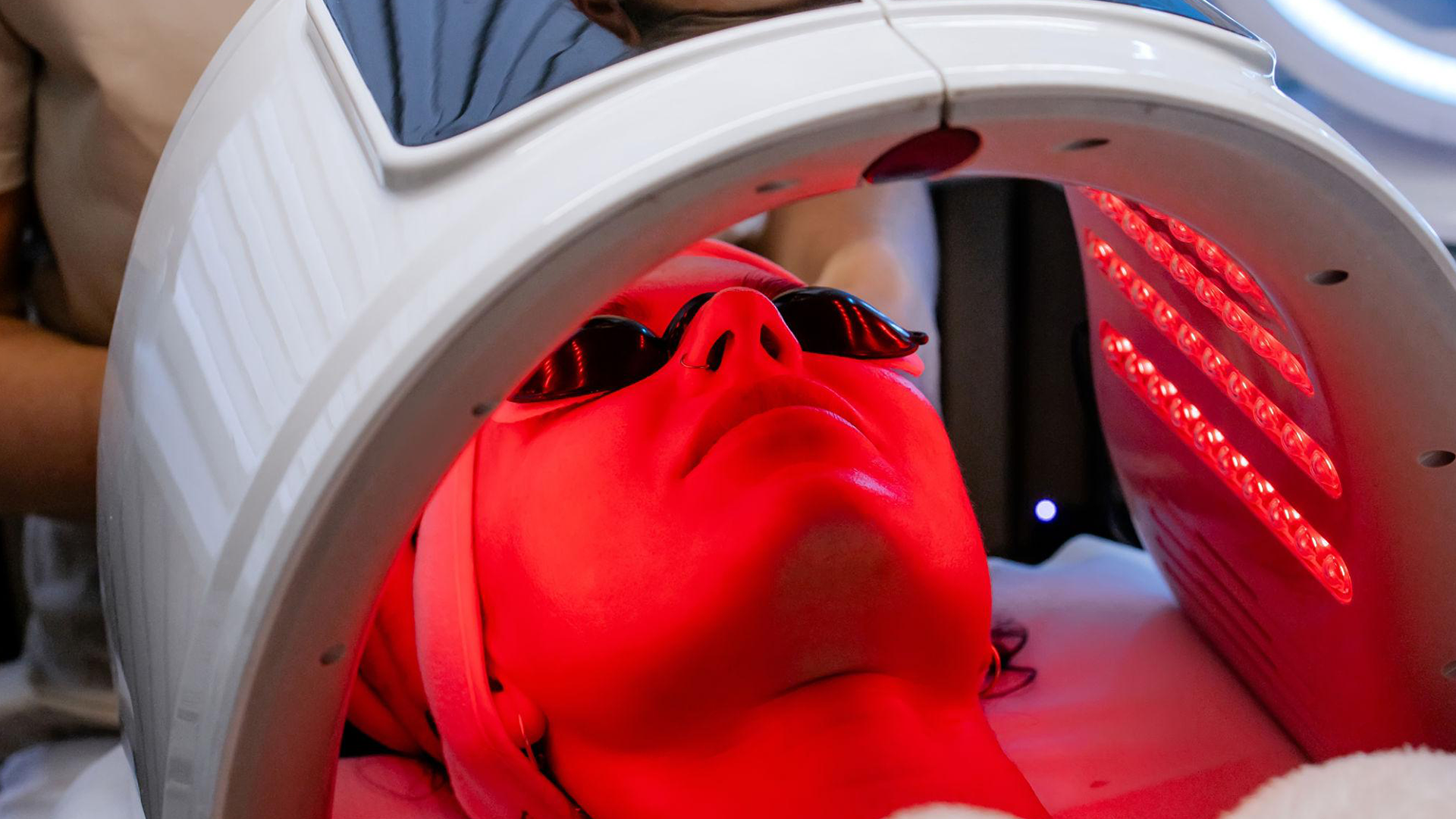
Red light therapy (RLT), also known as photobiomodulation (PBM) or low-level light therapy (LLLT), is a non-invasive treatment that uses specific wavelengths of red and near-infrared light to stimulate cellular function.
Unlike UV rays from the sun or tanning beds, red light therapy does not damage or burn the skin. Instead, it works at a cellular level to enhance natural biological processes.
Key Facts:
- Uses wavelengths typically between 600–900 nanometers
- Delivered via LED panels, masks, or lasers
- Non-invasive, painless, and drug-free
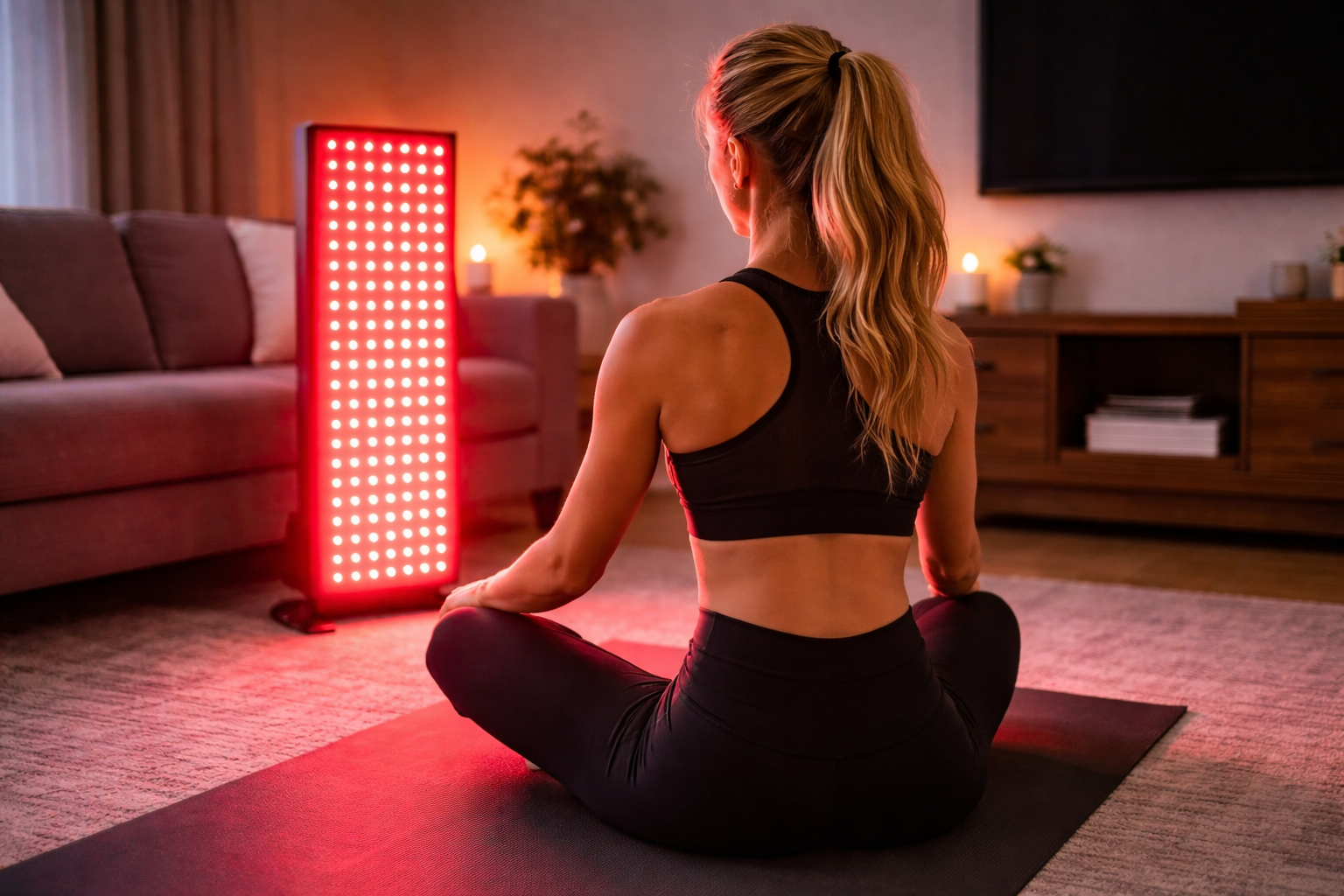
- Increasingly available for home use and clinical settings
Origins of Red Light Therapy
Red light therapy didn’t start as a beauty trend. Its origins go back decades and are rooted in scientific discovery.
Early Discoveries in the 1960s
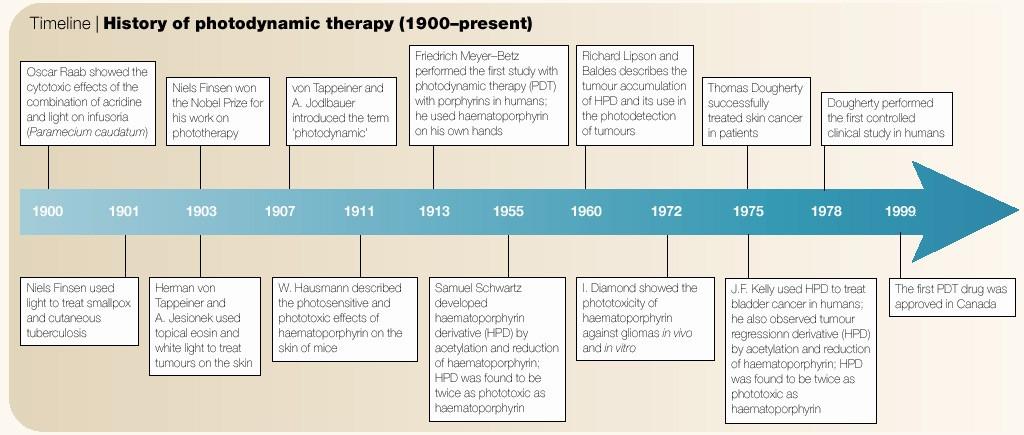
In the 1960s, Hungarian scientist Endre Mester discovered that low-level red light stimulated hair growth in mice.
This unexpected finding sparked interest in how light affects biological tissue.
NASA’s Contribution
Years later, NASA researchers explored red LEDs for growing plants in space. They noticed something surprising—minor wounds healed faster under red light exposure.
That observation helped push red light therapy into medical research.
From Medical Use to Mainstream
Initially, red light therapy was used in clinical settings for wound healing and skin conditions. Over time, it expanded into dermatology, sports recovery, and wellness treatments.
Today, it’s a booming industry expected to exceed $1 billion globally by 2030.
How Does Red Light Therapy Work?
At the core of red light therapy is how your cells produce energy.
The Cellular Mechanism
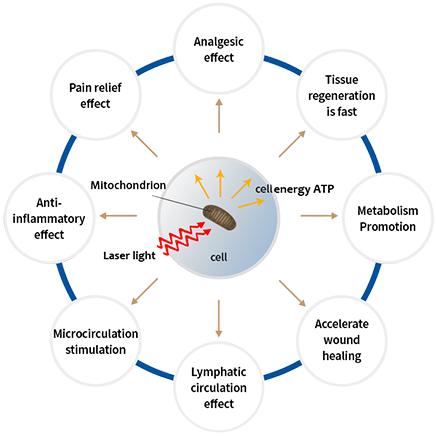
Red light penetrates the skin and is absorbed by mitochondria—the “power plants” of your cells. This process:
- Boosts production of ATP (cellular energy)
- Enhances cell repair and regeneration
- Reduces inflammation
- Improves blood circulation
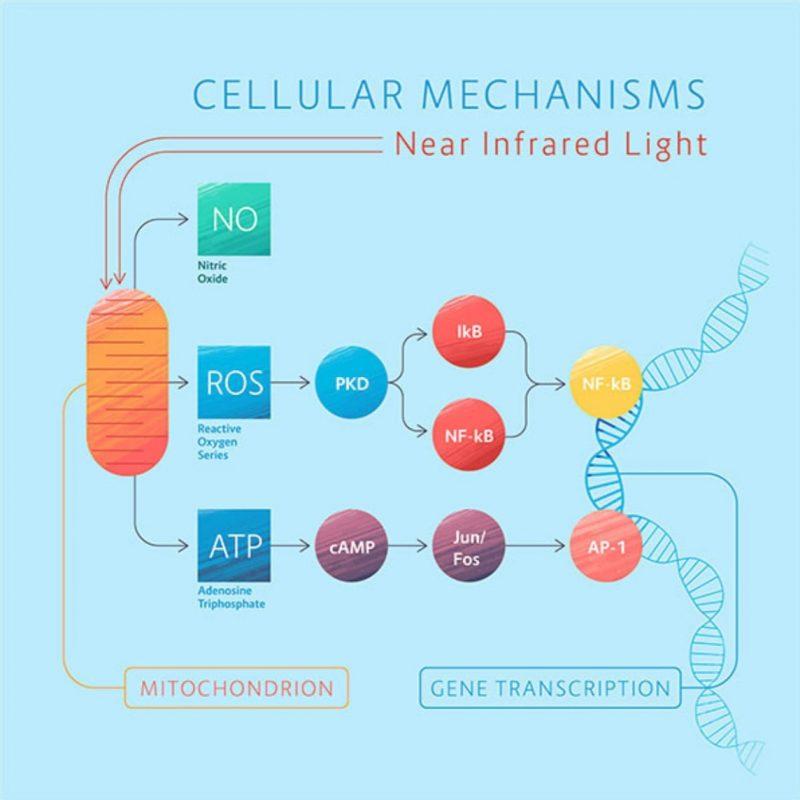
This happens because light stimulates a key enzyme called cytochrome c oxidase, which plays a crucial role in energy production.
👉 In simple terms: More energy = better healing, healthier skin, and improved function.
Top Benefits of Red Light Therapy
While research is ongoing, several benefits are supported by scientific studies and clinical use.
1. Skin Rejuvenation & Anti-Aging
Red light therapy is popular in the skincare world. It can help improve skin complexion, reduce fine lines and wrinkles, and accelerate the healing of blemishes. It does this by stimulating collagen production, which is essential for skin elasticity and youthfulness.
What it can help with:
- Fine lines and wrinkles
- Acne and acne scars
- Uneven skin tone
- Sun damage
2. Pain Relief & Inflammation Reduction
For those suffering from muscle pain, joint pain, or inflammation, red light therapy can be a great relief. It can reduce inflammation and pain by increasing blood circulation and reducing oxidative stress in the body.
Conditions it may help:
- Arthritis
- Joint pain
- Muscle soreness
- Back pain
3. Faster Muscle Recovery & Athletic Performance
Athletes and fitness enthusiasts can benefit from red light therapy’s ability to speed up muscle recovery. It helps reduce muscle fatigue and soreness after intense physical activities.
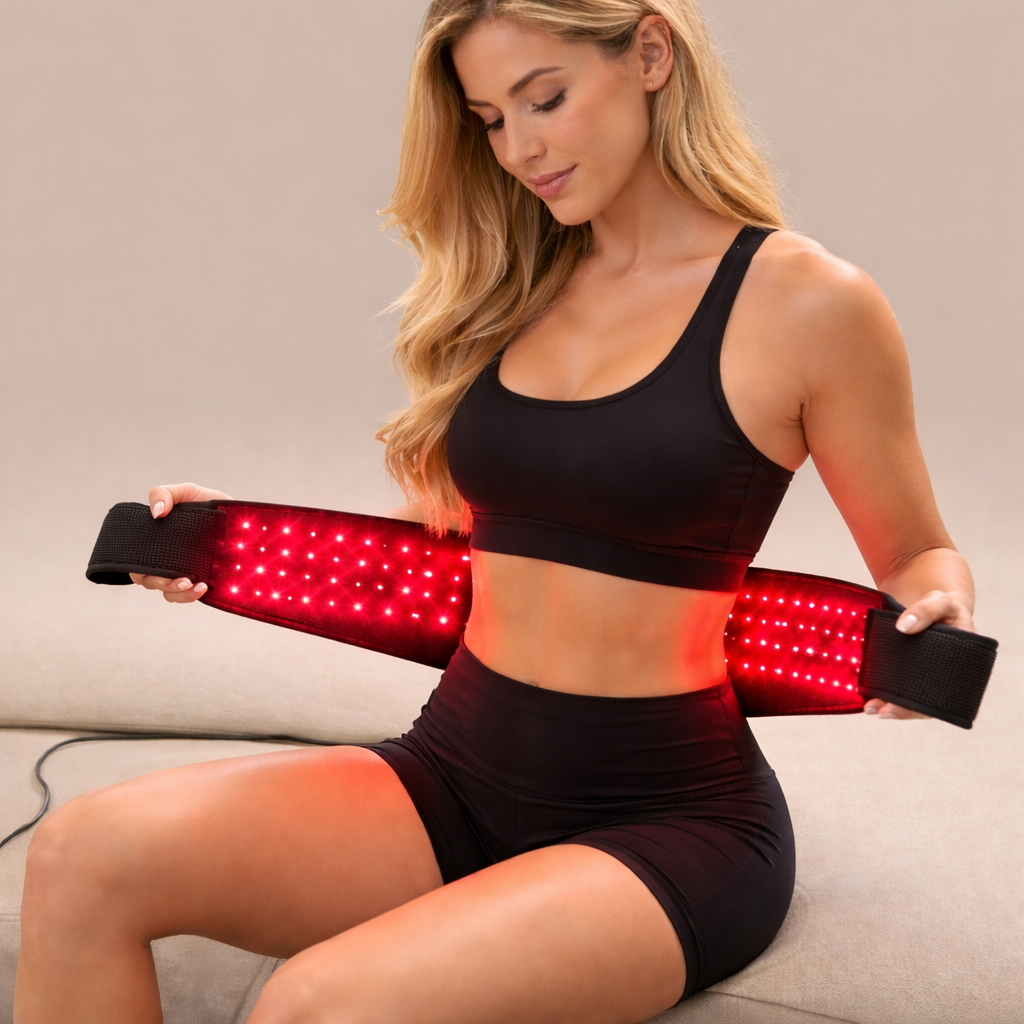
Athletes use red light therapy to:
- Speed up muscle recovery
- Reduce fatigue
- Improve performance
By enhancing circulation and cellular repair, it helps muscles recover faster after exercise.
4. Hair Growth & Scalp Health
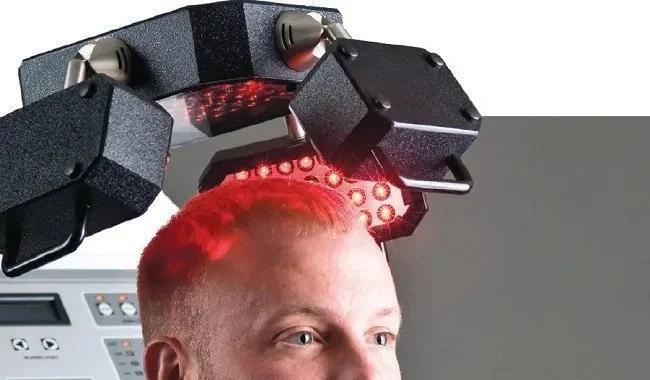
Low-level light therapy has shown promise for treating hair loss, especially androgenetic alopecia.
- Stimulates hair follicles
- Improves blood flow to the scalp
- Encourages thicker, fuller hair
5. Wound Healing & Tissue Repair
Red light therapy can accelerate the body’s natural healing processes, making it effective for wound healing and tissue repair. This is particularly useful for injuries, post-surgery recovery, and even diabetic ulcer treatment.
Red light therapy can accelerate healing by:
- Increasing oxygen delivery
- Promoting cell regeneration
- Reducing inflammation
This makes it useful for:
- Minor wounds
- Surgical recovery
- Skin damage
6. Potential Cognitive & Mood Benefits
Red light therapy can also have a positive impact on mental health. It is known to reduce symptoms of depression and anxiety, partly by increasing blood flow to the brain and enhancing mitochondrial function in neurons.
Emerging research suggests red light therapy may:
- Improve sleep
- Enhance mood
- Support brain health
However, more large-scale studies are needed.
7. Body Contouring & Fat Reduction (Limited Evidence)
Some clinics use red light therapy for fat loss or body sculpting.
- May break down fat cells temporarily
- Results are modest and inconsistent
Experts emphasize it’s not a replacement for diet and exercise.
Types of Red Light Therapy Devices
There are several types of devices available, especially for beginners.
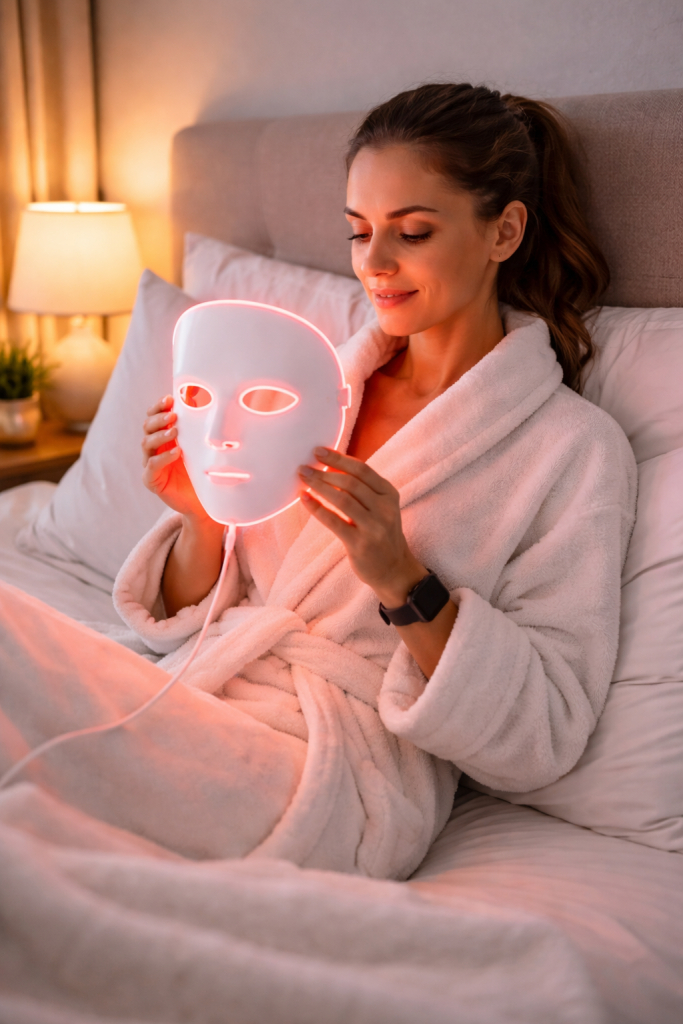
1. LED Face Masks
- Designed for skincare
- Convenient for home use
- Lower power than clinical devices
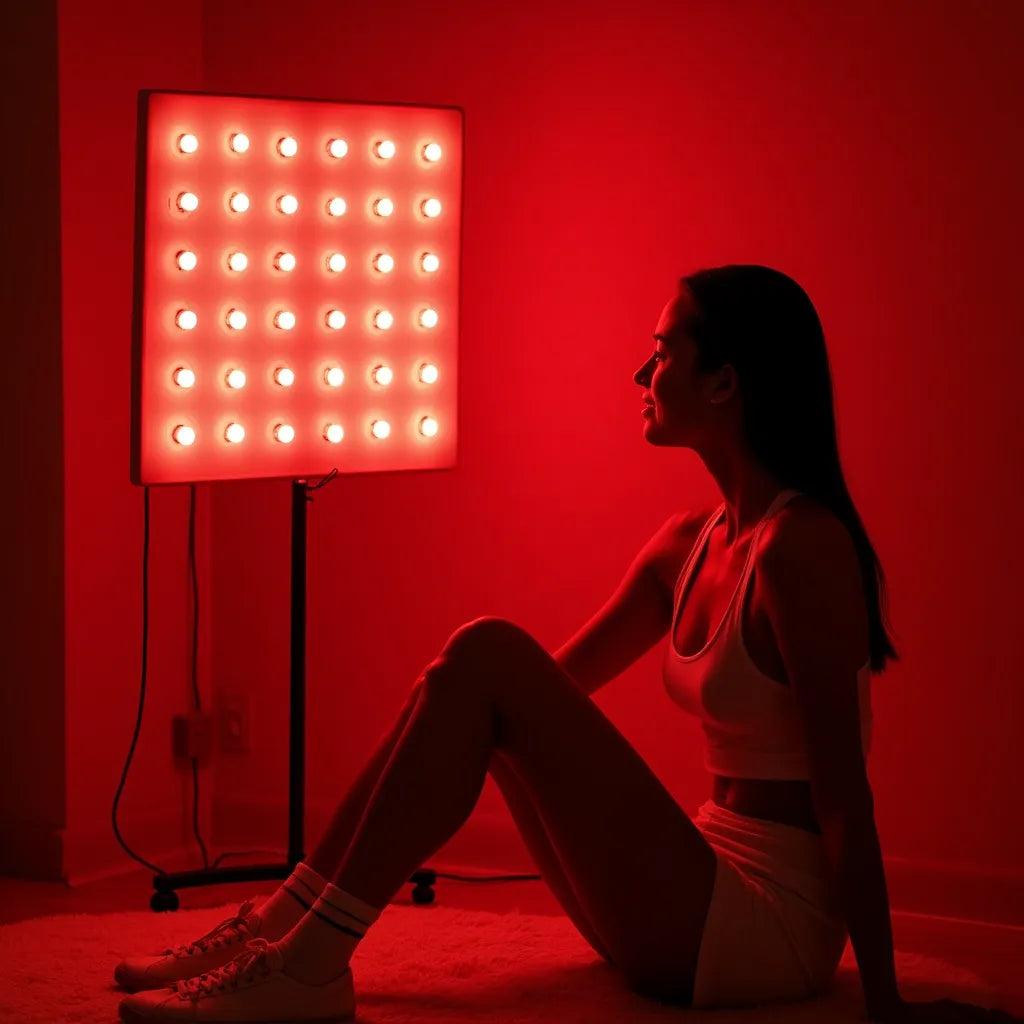
2. Panels (Full Body or Targeted)
- Used for larger areas (back, legs, full body)
- Higher intensity
3. Handheld Wands
- Target specific areas
- Portable and beginner-friendly
4. Laser Devices (Clinical Use)
- Stronger and more precise
- Used by dermatologists and therapists
Red Light Therapy at Home vs. Professional Treatments
At-Home Devices
Pros:
- Convenient
- Cost-effective over time
- Easy to use
Cons:
- Lower power
- Results may take longer
Professional Treatments
Pros:
- Stronger devices
- Faster results
- Supervised by experts
Cons:
- Expensive (often $80+ per session)
- Requires appointments
How to Use Red Light Therapy
Red light therapy can be done at a professional clinic or at home with the use of red light devices. For home use, it’s crucial to follow the manufacturer’s instructions regarding the duration and frequency of use. Typically, sessions can last anywhere from 10 to 20 minutes and can be done multiple times a week.
If you’re just starting, follow these steps:
Step 1: Choose the Right Device
- Look for FDA-cleared products
- Ensure correct wavelength (630–660 nm or 810–850 nm)
Step 2: Start Slow
- 5–10 minutes per session
- 3–5 times per week
Step 3: Maintain Distance
- Follow manufacturer guidelines
- Usually 6–12 inches from skin
Step 4: Protect Your Eyes
- Always wear protective goggles
Step 5: Be Consistent
- Results typically take 4–12 weeks
Is Red Light Therapy Safe?
Overall Safety
One of the advantages of red light therapy is its safety profile. It is non-invasive and generally considered safe for most people. However, it’s always recommended to consult with a healthcare provider before starting any new treatment, especially for those with pre-existing health conditions or those who are pregnant.
Why It’s Safer Than UV Light:
- No ionizing radiation
- No skin-burning UV rays
- Non-invasive and non-thermal
Potential Risks & Side Effects
While rare, risks include:
- Eye damage without protection
- Skin irritation or redness
- Burns (with misuse or high intensity)
- Inconsistent results due to lack of standard dosing
👉 Key takeaway: Most risks are avoidable with proper use.
Does Red Light Therapy Really Work?
This is the big question—and the answer is nuanced.
What Science Supports:
✔ Skin improvement ✔ Pain and inflammation reduction ✔ Wound healing
What Needs More Research:
- Weight loss
- Brain health
- Long-term effects
Experts agree that while promising, red light therapy is not a miracle cure and works best as part of a broader health routine.
How Long Does It Take to See Results?
Results depend on the condition being treated:
- Skin improvements: 4–8 weeks
- Pain relief: 2–6 weeks
- Hair growth: 3–6 months
Consistency is key—most protocols recommend regular sessions over time.
Who Should (and Shouldn’t) Use Red Light Therapy?
Good Candidates:
- People with skin concerns (acne, aging)
- Individuals with chronic pain
- Athletes
- Those seeking non-invasive treatments
Use Caution If:
- You’re pregnant (consult a doctor)
- You have light-sensitive conditions
- You’re using medications that increase light sensitivity
Tips for Choosing the Best Red Light Therapy Device
When shopping for a device, look for:
- Wavelength accuracy (600–900 nm range)
- FDA clearance
- Power output (irradiance)
- Reputable brand reviews
Avoid:
- Cheap, unverified products
- Devices without safety certifications
Common Myths About Red Light Therapy
Myth 1: It’s the Same as Tanning
❌ False — No UV radiation involved
Myth 2: Results Are Instant
❌ False — Requires consistent use
Myth 3: More Light = Better Results
❌ False — Overuse can cause irritation
The Future of Red Light Therapy
Red light therapy is rapidly evolving, with ongoing research into:
- Neurological conditions
- Chronic disease management
- Advanced recovery therapies
The global market is growing fast, indicating strong consumer and scientific interest.
Final Thoughts: Is Red Light Therapy Worth It?
Red light therapy offers a compelling combination of science-backed benefits, minimal risks, and growing accessibility.
For beginners, the best approach is to:
- Start with a reputable device
- Use it consistently
- Set realistic expectations
Bottom Line:
Red light therapy offers a holistic approach to improving health and wellness. Whether it’s for skin health, pain relief, or general well-being, this therapy is a simple yet effective tool that leverages the natural healing power of light. As research continues to grow in this field, we can expect even more applications and benefits to be discovered.
FAQs About Red Light Therapy
Is red light therapy safe for daily use?
Yes, when used as directed—but most protocols recommend a few sessions per week.
Can I use red light therapy at home?
Absolutely. Home devices are widely available, though less powerful than clinical ones.
Does red light therapy help with acne?
Yes, it may reduce inflammation and promote healing.
Can it cause cancer? No—red light therapy does not use UV radiation and has no evidence linking it to cancer.